00:00 / –:–
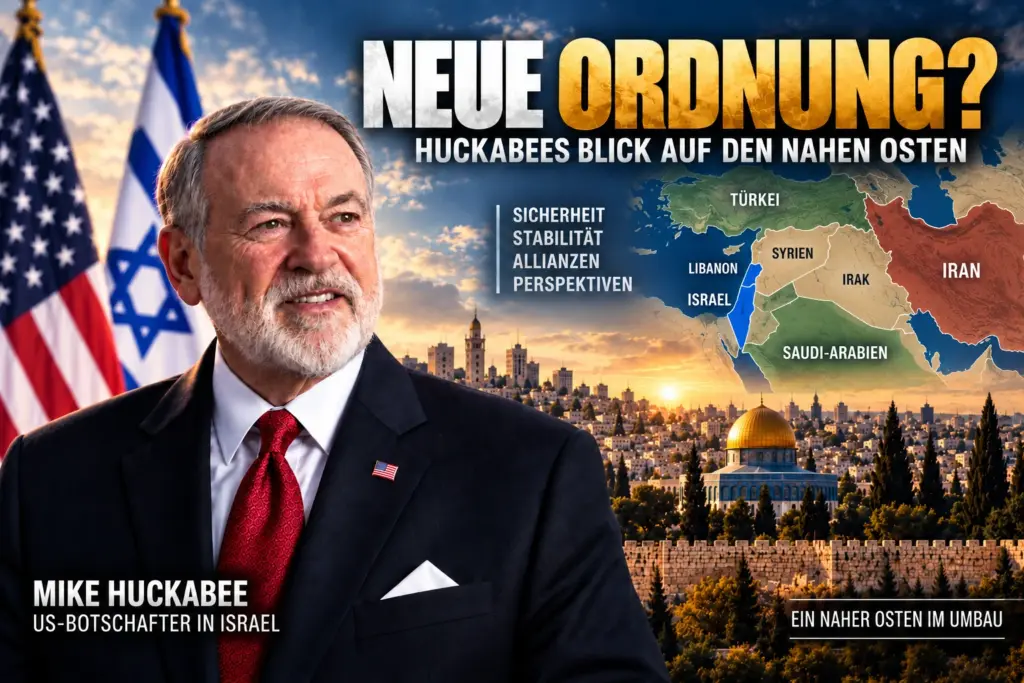
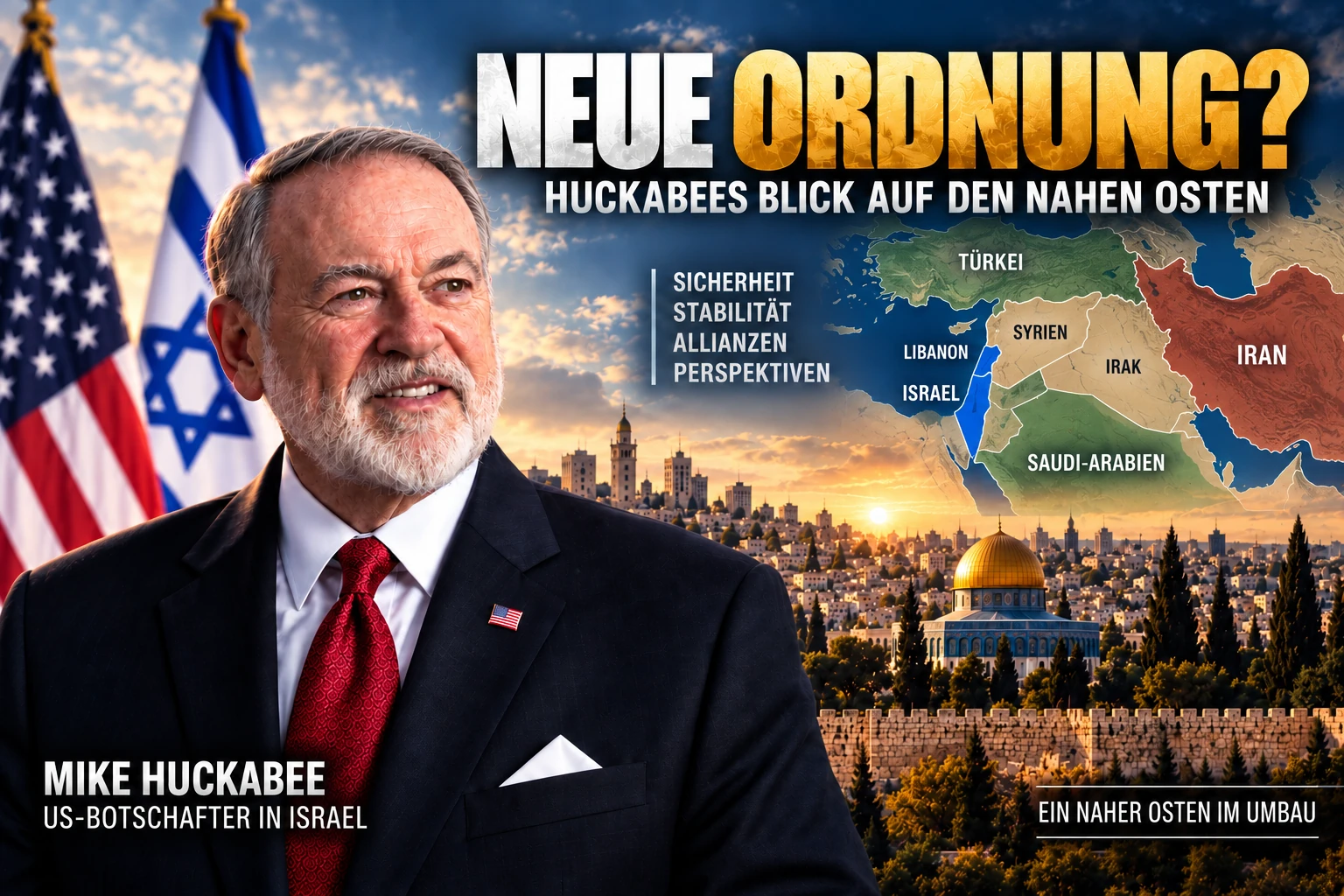
Mike Huckabee describes a Middle East in transition: Iran and Hezbollah under pressure, UNIFIL nearing its end, Saudi Arabia entering a new defense framework and Israel as a strategic partner of American interests. But these developments have not yet produced a finished security order. That is precisely why it is worth examining what is already established and what remains, for now, Huckabee’s political assessment.
The US ambassador to Israel spoke with The Media Line in Jerusalem on September 17, 2026, about Iran, Hezbollah, the impending end of UNIFIL, Saudi Arabia’s new security relationships and Israel’s role for the United States. The Jerusalem Post republished the interview on September 19. The key point, therefore, is this: The JPost is not a second independent source here, but part of the same reporting chain.
Passende X-Beiträge
Aus dem SCHLAGSEITE X-Archiv


Iran under pressure, regime change remains uncertain
Huckabee portrays Iran as a state that has come under considerable military and economic pressure. He considers the regime weaker than it has been in decades and expects further internal unrest. This is the ambassador’s political assessment, not a firm prediction. He expressly does not claim that regime change is imminent.
The more important point lies elsewhere. Huckabee rejects the widespread notion that the American confrontation with Iran is primarily a favor to Israel. His argument is that Washington is acting out of its own security interests because Iran and its allies have threatened and attacked American targets for decades. Huckabee did not develop this line only in the current interview. In other public appearances, he had already explained that Iran itself poses a security problem for the United States.
This also shifts the perspective on American-Israeli cooperation. In Huckabee’s account, Washington does not support Israel simply because Jerusalem asks for assistance. On central security issues, the two states partly pursue the same interests. That is his political reading of the partnership, not a formula that can explain every individual American or Israeli decision.
After UNIFIL, the Lebanese state is to take over
In Lebanon, the facts are clearer. With Resolution 2790 the UN Security Council extended the mandate of the UN peacekeeping mission UNIFIL for the final time, until December 31, 2026. Regular operations are then supposed to end. An ensuing period of up to one year is provided for an orderly withdrawal.
At the same time, the resolution formulates a political objective that directly corresponds to Huckabee’s statements: The Lebanese government is to become the sole holder of state security authority in the south. The Security Council calls for a situation in which, as soon as possible, there are no weapons other than those of the Lebanese state and no authority other than that of the Lebanese government. This is aimed directly at Hezbollah’s core position.
Huckabee considers such a transition fundamentally possible, but does not expect quick success. In his assessment, the Lebanese Armed Forces would have to gradually become the sole security force. At this point, political objectives meet a far more difficult reality.
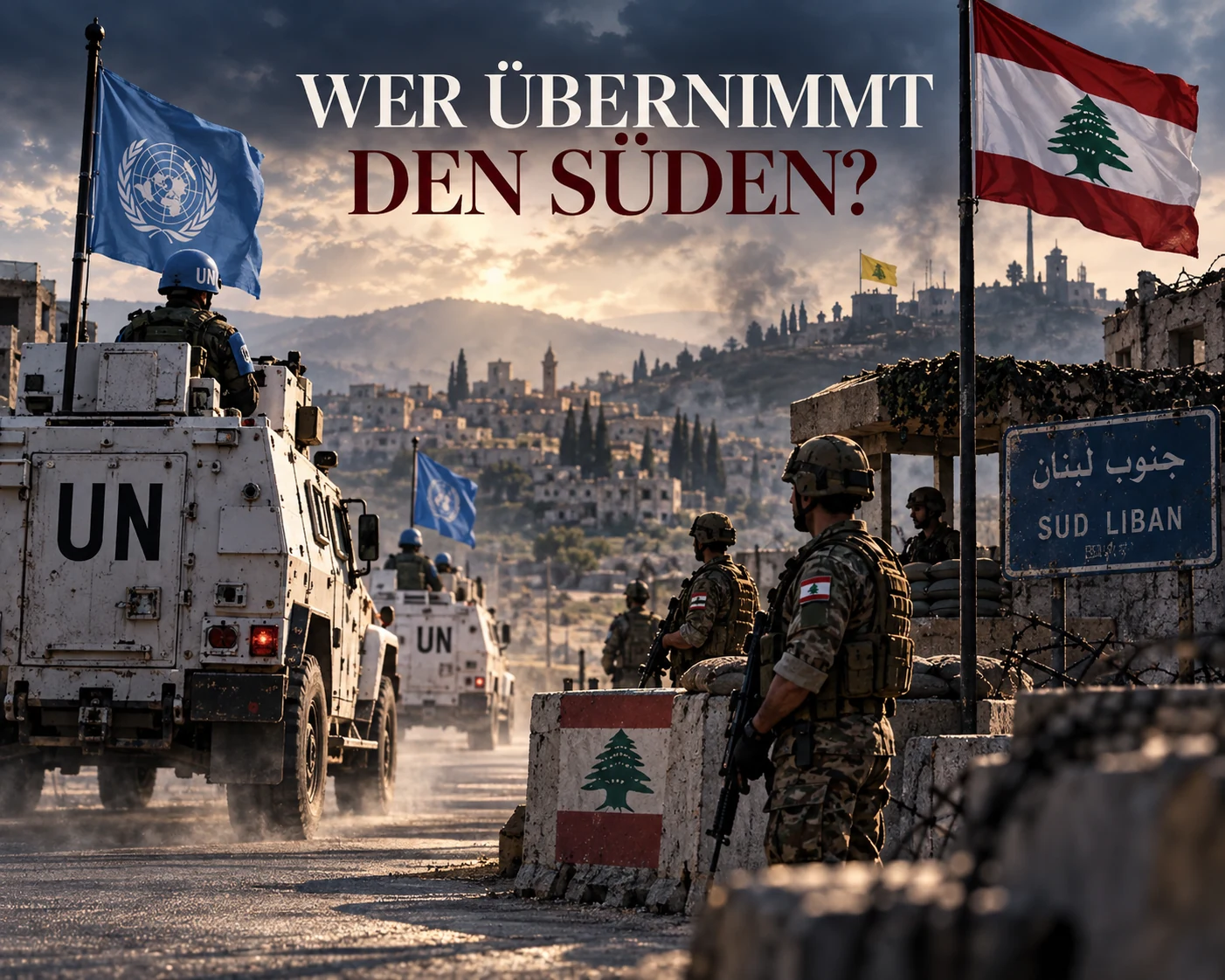
Hezbollah remains armed, handover remains difficult
A current Reuters report from September 19 shows how difficult this transition is. UNIFIL commander Diodato Abagnara said his mission was already working with other UN bodies and the Lebanese army on handing over tasks and positions. The handover of some positions could even become “very difficult” because more than half of UNIFIL’s positions are located in areas currently controlled by Israeli troops. At the same time, the US-backed plan to disarm Hezbollah and have state forces fully take over in the south has stalled.
As early as the end of July, Reuters reported on the first so-called pilot zones. The model combines a gradual Israeli withdrawal with verified disarmament of Hezbollah and a takeover by the Lebanese army. The first attempt already showed how slow and conflict-prone this process is. Hezbollah itself continues to reject disarmament.
Huckabee’s criticism of UNIFIL is considerably harsher. He considers the mission ineffective. That remains his assessment. The verifiable finding behind it is more sober and no less relevant: After almost five decades, UNIFIL is supposed to end while Hezbollah continues to exist as an armed power and state security control in the south has not yet been fully established.

The end of UNIFIL does not automatically mean the end of Hezbollah as an armed power. The UN decision sets the goal of state security control. Whether and how quickly the Lebanese army can enforce this goal against a Hezbollah that remains armed is still open.
Saudi Arabia is building its own security architecture
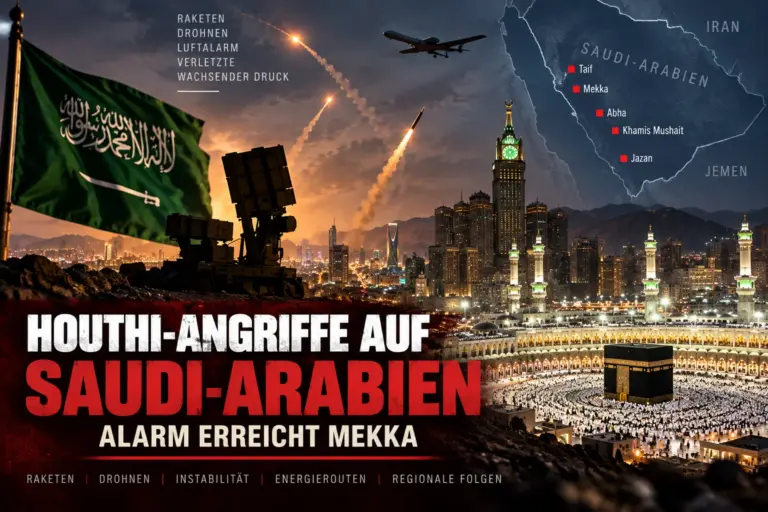
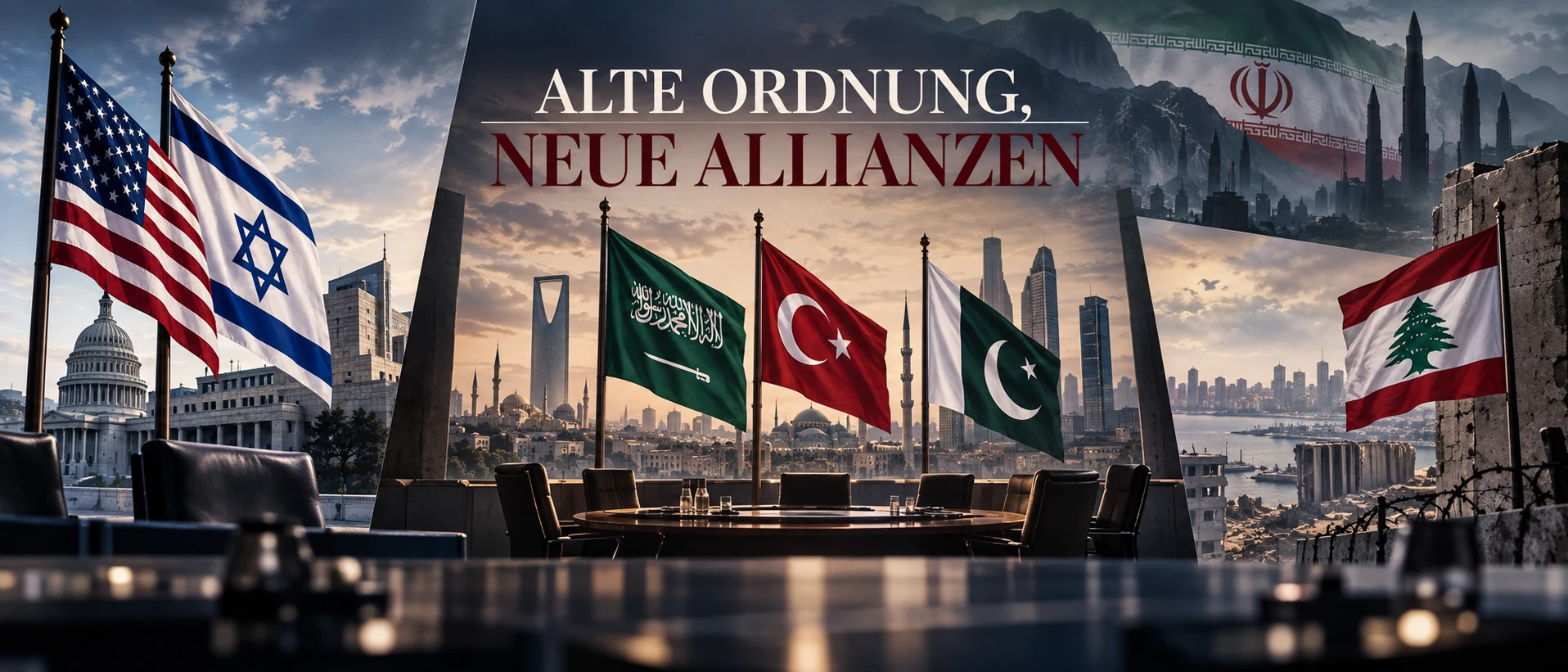
While an old security structure is winding down in Lebanon, a new one is emerging in the Gulf. On August 7, 2026, Saudi Arabia, Turkey and Pakistan signed a joint defense agreement in Mecca. The official Turkish statement expressly mentions collective deterrence and stipulates that an armed attack on any one of the three states is to be regarded as an attack on all three.
Riyadh is thus building a security framework that does not depend on Israel and is also not identical to the Abraham Accords. This makes Huckabee’s reaction to it interesting. He does not say that Washington enthusiastically welcomes the pact. He merely says that he has not perceived any particular alarm in Washington. The three states are sovereign and have understandable reasons for expanding their security relationships.
Asked directly whether Israel would provide Saudi Arabia with military assistance in the event of an attack, Huckabee replies that he does not know. At the same time, he says Israel would welcome a security agreement with Saudi Arabia and would like Riyadh to become another partner in the Abraham Accords. These two statements should not be combined into an already existing Israeli-Saudi mutual-defense architecture. There is no public evidence for that.
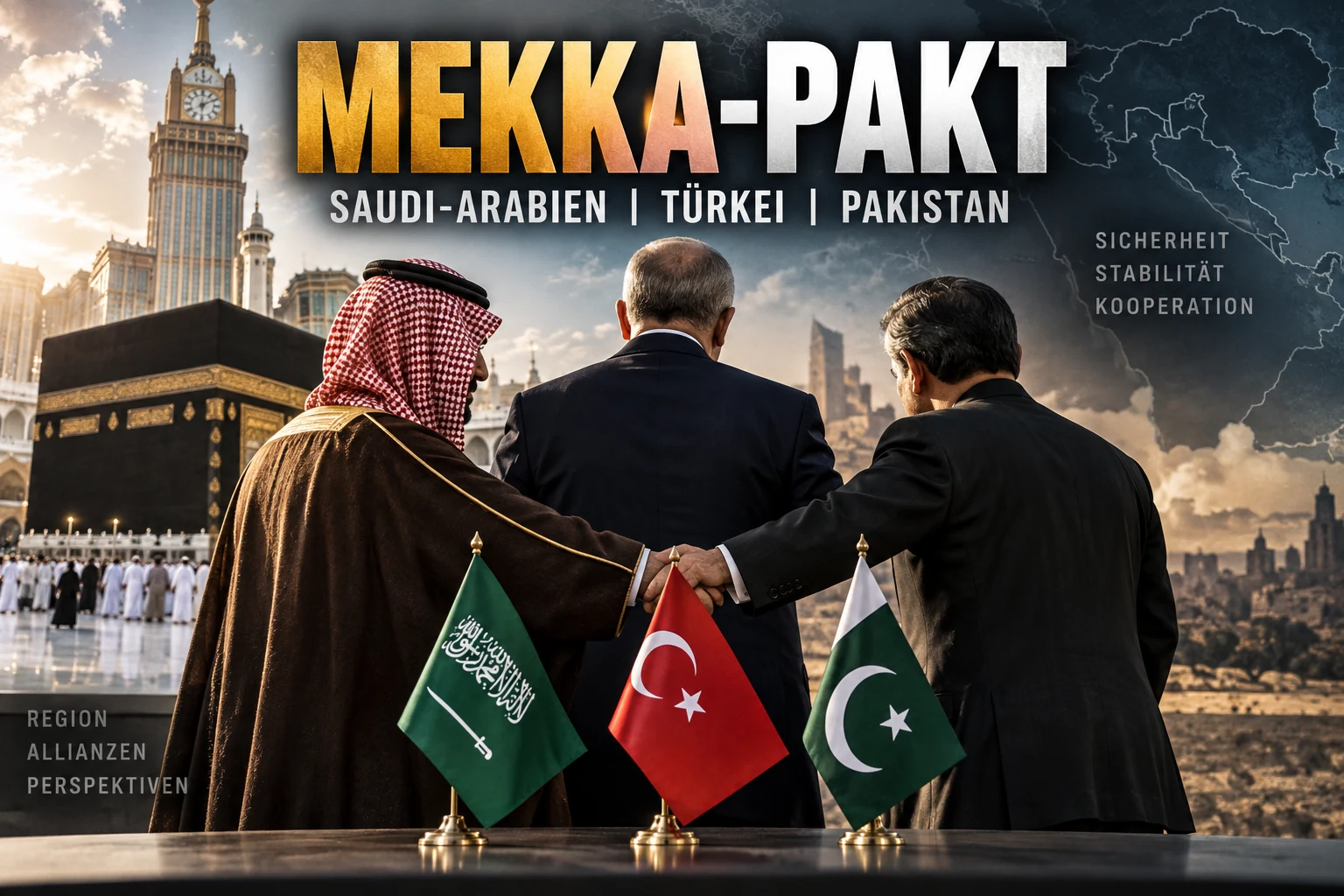
Saudi Arabia between the Mecca Pact and the Abraham Accords
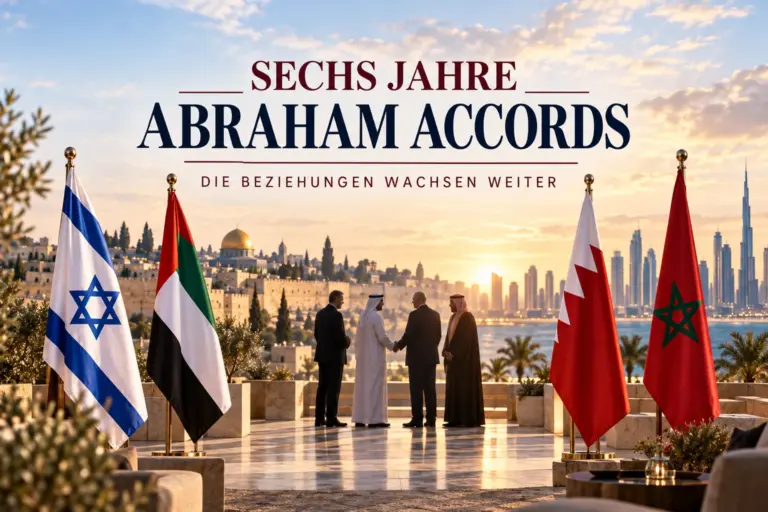
Saudi Arabia is thus positioned between several security frameworks. On the one hand, the kingdom is deepening its military cooperation with Turkey and Pakistan. On the other, Washington continues to push for Saudi normalization with Israel. In July, President Donald Trump made a civilian nuclear agreement with Riyadh publicly contingent on Saudi Arabia joining the Abraham Accords. This shows how closely security, energy and normalization issues are now being linked.
In this context, Huckabee points to the United Arab Emirates as an example of what normalization with Israel could make possible economically and in terms of security policy. That is his political assessment. More important for the analysis is that Riyadh is currently not relying on a single alliance, but is expanding different relationships in parallel.
That is precisely why it would be premature to derive an anti-Israeli axis from the Mecca Pact—or, conversely, an imminent Saudi-Israeli normalization from Huckabee’s optimism. The verifiable development is broader: Saudi Arabia is seeking to expand its security-policy options.
Israel as a partner of American self-interests
This is the interview’s central thread. Huckabee describes Israel not as a dependent case of American foreign policy protection, but as a partner in a region where Washington is pursuing its own interests. This is particularly evident with regard to Iran, but according to his account it goes further: intelligence cooperation, military coordination and regional deterrence are not one-way streets.
This view does not contradict the possibility that American and Israeli interests may diverge. A partnership does not require complete identity of political objectives. Huckabee’s argument is narrower: Wherever Washington and Jerusalem see the same adversaries, risks or strategic objectives, cooperation is supposed to serve an independent purpose from the American perspective.
This also allows the question of Saudi Arabia to be viewed more soberly. A new Saudi alliance with Turkey and Pakistan does not automatically have to be directed against Israel. Nor does it automatically imply closer Saudi-Israeli security cooperation. Both are different possible developments, whose further direction depends on Riyadh, Washington, Ankara, Islamabad and Jerusalem.
Middle East in transition: Old structures are in motion
Huckabee’s interview does not describe a finished blueprint for a Middle East in transition. Too many questions remain open for that. Iran remains capable of action. Hezbollah has not been disarmed. The transition after UNIFIL is unresolved. Saudi Arabia is pursuing several partnerships simultaneously. And there is still no complete diplomatic normalization between Israel and Riyadh.
Nevertheless, several structures are moving at the same time. A UN mission nearly five decades old is approaching its end. The Lebanese state is supposed to take over security tasks that it has not fully controlled so far. Saudi Arabia has created a new defense framework with two major Muslim states. Washington is simultaneously attempting to draw Riyadh closer to Israel. And Huckabee explicitly explains American-Israeli cooperation in terms of shared strategic interests.
Several developments are moving in the same direction at once: old security mechanisms are losing importance, new partnerships are emerging and regional states are seeking to expand their own room for maneuver. Whether this will actually produce a new security order remains open. The restructuring itself, however, has long been visible.
The solid finding is therefore smaller than the grand thesis, but more important than a mere retelling of the interview: The Middle East is in motion in security-policy terms. Huckabee describes how Washington interprets this change. What order will emerge from it has not yet been decided.
ℹ️ Factual basis and primary sources for the article 📑
▶️ The Media Line:
Ambassador Huckabee Predicts Another Iran Uprising, Makes a Pitch for Objective Truth
Primary source for Huckabee’s statements in the interview of September 17, 2026.
▶️ UN Peacekeeping:
Security Council Extends UNIFIL’s Mandate: Resolution 2790 (2025)
Official UN page on the final extension of UNIFIL until December 31, 2026, the subsequent withdrawal and the planned transition.
▶️ UN Security Council:
Resolution 2790 (2025) – full text of the resolution
Original text of the resolution with the end of the mandate, withdrawal arrangements and the provisions for state security control in southern Lebanon.
▶️ Turkish Presidency, Directorate of Communications:
Türkiye and Saudi Arabia sign a Joint Defence Agreement
Primary source on the defence agreement between Saudi Arabia, Türkiye and Pakistan of 7 August 2026.
▶️ Reuters:
UN peacekeeping chief in Lebanon says smooth transition is critical before pull-out
Current report from 19 September 2026 on the transition from UNIFIL, the Lebanese army and the stalled disarmament of Hezbollah.
▶️ Reuters:
First test of US-backed ‚pilot zones‘ in south Lebanon lays bare difficulties
Background on the practical implementation of the pilot zones, the gradual Israeli redeployment and the issue of Hezbollah’s disarmament.
▶️ Reuters:
US says Saudi nuclear deal off without Israel recognition
Documents Trump’s publicly stated linkage of the civilian nuclear agreement to Saudi Arabia joining the Abraham Accords.
▶️ Jerusalem Post:
Mike Huckabee on Iran, Hezbollah, Saudi Arabia and Israel’s US relationship
Republication of The Media Line interview. No independent second confirmation.
🔎 Error discovered, criticism or addition?
SCHLAGSEITE.eu stands for careful research and transparent corrections. Have you discovered a factual error, unclear wording or a broken link? Then send me your note. If possible, please provide a verifiable source.